8 min read
Respray quotes vary enormously, and not because some shops are greedy. Around 70% of the cost of good paintwork is preparation, and preparation is the easiest thing to leave out. Two quotes hundreds of pounds apart are usually quoting two completely different jobs.
The figures below are indicative UK guide ranges for 2026. Actual prices depend on the vehicle, the paint type, the condition of the existing finish and how much bodywork is needed first — we quote properly after seeing the car or clear photographs.
Indicative UK respray prices
- Single panel (door, wing, bonnet) — around £250-£500, more for large panels, pearls and three-stage finishes
- Bumper refinished — around £180-£350
- Two or three adjoining panels blended — around £500-£1,100
- Partial respray, e.g. one whole side or the full front end — around £800-£2,000
- Full respray in the original colour — around £2,500-£6,000
- Full colour change, done properly with jambs, shuts and under-bonnet areas — £5,000-£10,000+
What drives the price
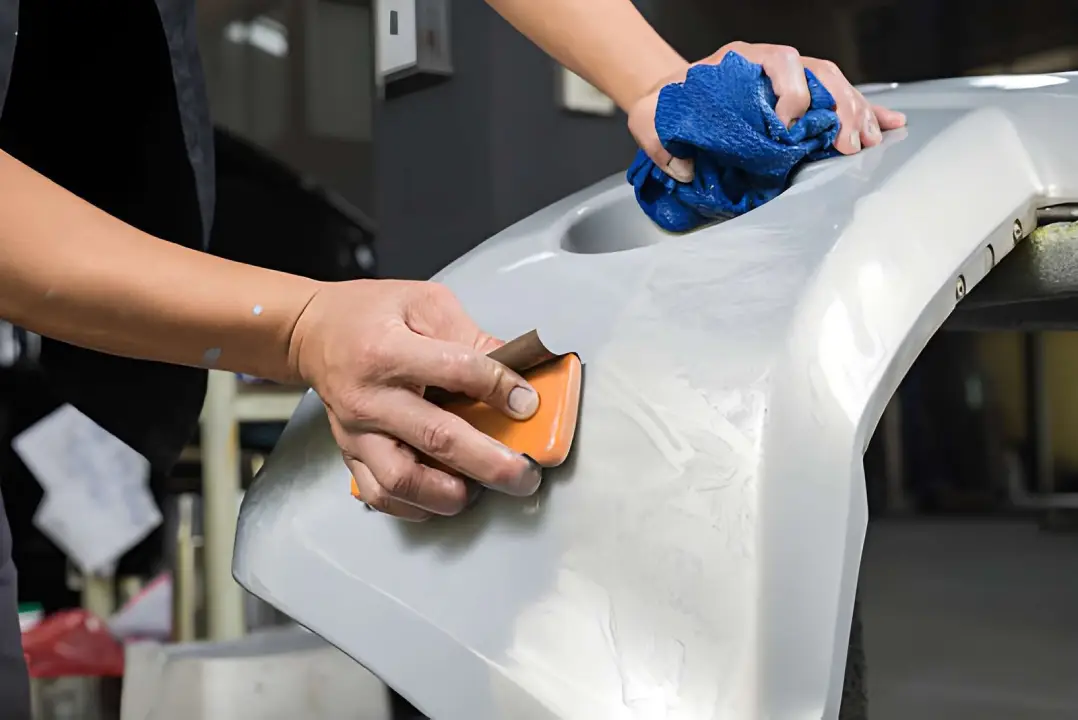
- Preparation — stripping, flatting, filling, priming and masking is the bulk of the labour
- Bodywork first — dents, rust and previous poor repairs must be corrected before paint, and rust repair is what most often pushes a quote up
- Paint type — solid colours are cheapest; metallics need more coats; pearls and three-stage finishes need a mid-coat and far more skill to match
- Blending — spraying into adjoining panels so there is no visible join costs labour but is what makes a repair invisible
- Vehicle size and complexity — a large SUV has far more surface area than a supermini, and trim removal varies hugely between models
- Colour change — doing it properly means painting door shuts, jambs, boot and engine bay, which roughly doubles the work
Full, partial or single panel?
Most people asking about a full respray do not actually need one. If the damage is confined to one or two areas, refinishing those panels and blending into the neighbours gives a better result for a fraction of the money — because you keep the factory paint everywhere else.
A full respray genuinely makes sense when lacquer is peeling across multiple panels, when the paint has faded badly overall (common on older reds and on flat roofs and bonnets), after extensive bodywork, or when you are changing colour.
Why a cheap respray usually fails
A £700 'full respray' is possible only by skipping the parts you cannot see on collection day. Typically that means masking over trim and glass rather than removing it, spraying over existing defects instead of flatting them out, no rust treatment, no primer stage where one is needed, thin single coats of lacquer, and no controlled bake.
It looks acceptable for a few months. Then overspray shows on rubbers and glass, edges begin to peel where paint was laid over untreated surfaces, rust reappears through the new colour, and the finish dulls because there is not enough lacquer to protect it. At that point the only fix is to strip it and start again, which is more expensive than doing it once.
What good paintwork looks like
- Trim, handles, lights and seals removed rather than masked wherever practical
- Existing defects corrected, not buried; rust cut out and treated
- Correct primer and sealer stages for the substrate
- Colour read from the paint code, adjusted for age and fade, and sprayed out on a test card first
- Blending into adjacent panels to eliminate any visible join
- Two full coats of clear, baked in a low-bake oven, then flatted and polished where required
Get a real figure
Send photographs of the panels concerned on WhatsApp, along with the make, model, year and paint code if you have it, and we will come back with a realistic estimate. Estimates are free and there is no obligation.
Frequently asked questions
- How much does it cost to respray a car in the UK?
- As a guide, a single panel is around £250-£500, a partial respray around £800-£2,000, and a full respray in the original colour around £2,500-£6,000. A full colour change done properly, including shuts and jambs, starts around £5,000. Prices vary with vehicle size, paint type and how much bodywork is needed first.
- How long does a respray take?
- A single panel is typically two to three days including paint curing. A partial respray is around three to five days. A full respray usually takes one to three weeks depending on how much stripping, bodywork and rust repair is required.
- Does a respray affect my car's value?
- A high-quality respray in the original colour generally protects value, particularly if it corrects failing lacquer. A poor respray or an undisclosed colour change reduces value, and buyers can spot both easily with a paint depth gauge.
- Is it cheaper to respray one panel or the whole car?
- Far cheaper to respray only the affected panels and blend into the adjacent ones. A full respray is only worth it when the paint has failed across the car or you are changing colour.
Need this doing properly?
See how we handle this work, or send photos for a free, no-obligation estimate.
Paintwork & resprays →