How repairs work · 10 min read
In short
An accident repair centre is a specialist body shop set up to assess, repair and refinish collision damage from first contact and estimate through parts ordering, structural and panel work, paint and a final quality check before handover.
To explain the accident repair centre process step by step for both private and insurance customers so they know what to expect and what to bring.
How an accident repair centre differs from a general garage
A general garage or MOT centre is set up mainly for mechanical work, servicing and testing, and typically does not have a dedicated paint booth, panel jigs or the range of body repair equipment needed to put collision damage right to a factory standard finish. An accident repair centre is built specifically around that work, with the tools, space and workflow needed to strip a car down, repair or replace damaged panels, and refinish the paint to match the rest of the vehicle.
This matters because collision repair is not just about making a car look right, structural and panel alignment need to be correct so the car handles and protects its occupants as designed, which is a different skill set to routine mechanical servicing.
The process from first call to handover
- 01Get in touch by phone or send photos of the damage by WhatsApp for an initial look.
- 02Receive a free, no-obligation estimate based on the damage shown and, where needed, a closer in-person inspection.
- 03For insurance claims, the estimate goes to the insurer for authorisation, for private jobs you simply give the go ahead.
- 04Parts are ordered once the scope of work is confirmed, which can include genuine or approved replacement panels.
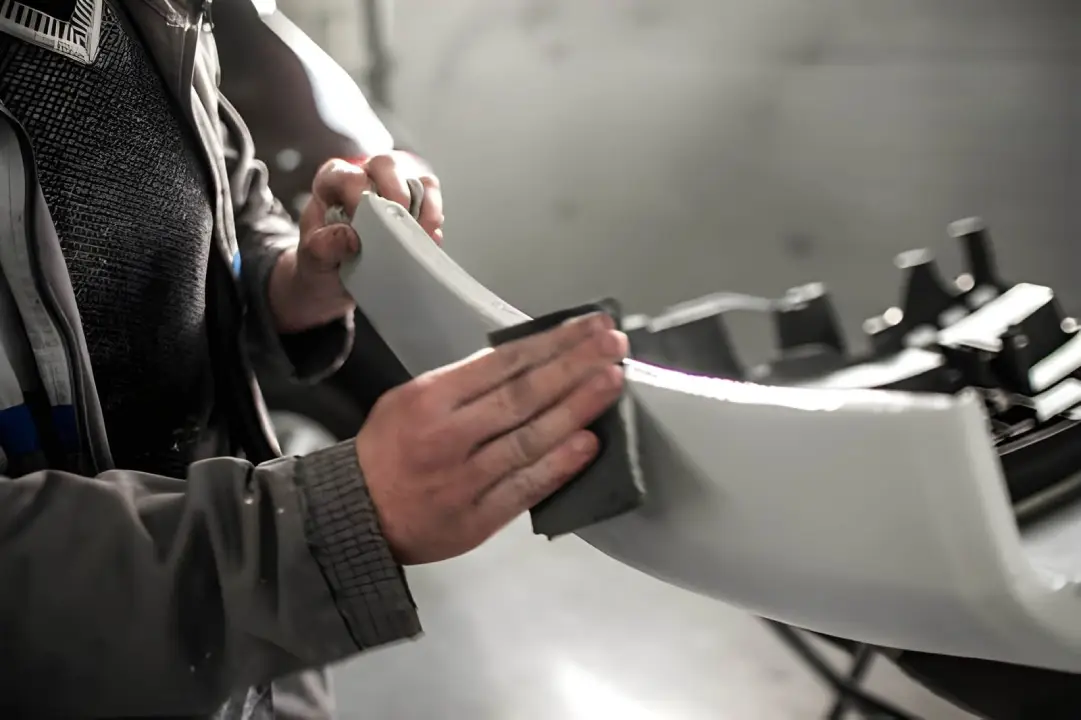
- 05The car is booked in, stripped down as needed, and damaged panels are repaired or replaced.
- 06Structural or panel alignment work is carried out first, followed by preparation and painting to match the existing colour.
- 07Everything is refitted, and the completed repair goes through a quality inspection before the car is handed back.
What the customer needs to bring
- Your vehicle registration and, for insurance work, your claim reference.
- Photographs of the damage if you have already sent some ahead of time.
- The car itself for a closer inspection where photographs are not enough to quote accurately.
- Any relevant paperwork if the vehicle has had previous repair work in the same area.
Insurance authorisation versus private go ahead
For insurance claims, the estimate is typically submitted to the insurer, who authorises the repair before work starts. This step exists to confirm the scope and cost of the work against the policy, and it is worth remembering that under most policies you have the right to choose your own repairer rather than being limited to an insurer's own network.
For private, non-insurance repairs the process is more direct, once you are happy with the free estimate, you simply confirm you would like to go ahead and the car can be booked in.
Structural and panel work
Where a collision has affected structural or load-bearing parts of the body, these are corrected first, since panel fit and paintwork depend on the underlying structure being properly aligned. Non-structural panel damage, such as a dented wing or crumpled door, is repaired or replaced depending on the severity and cost involved, following the same repair-or-replace logic used across the trade.
Only once the metalwork is correct does the car move on to paint preparation, so that panel gaps, shut lines and surface condition are all right before any paint is applied.
Parts ordering and delays
Parts availability is one of the main things that can affect how a repair timeline plays out, particularly for less common models or specific trim variants. We order parts as soon as the scope of work is agreed, but exact lead times can vary and are outside our control, so it is worth asking about parts status if you need an idea of timing for your particular car.
Quality inspection before handover
Before a repaired car is handed back, the completed work is checked over, panel gaps and shut lines are compared against the rest of the vehicle, and the paint finish is inspected for colour match, gloss and evenness. Any final adjustments are made at this stage so the car leaves in the condition it should be in.
Tracking progress on your repair
If you would like an update while your car is in for repair, the simplest way is to call us directly, we can talk you through where the job has got to, whether parts have arrived, and roughly what stage the repair is at. For insurance jobs, your insurer or claims handler may also be able to give you a status update from their side of the claim.
Where to go next
Need your car looked at after an accident?
Send us photos of the damage and, whether it is an insurance claim or a private repair, we will give you a free, no-obligation estimate and explain the process clearly.
Questions people ask us
- Do I have to use my insurer's chosen accident repair centre?
- No, in most cases you have the right to choose your own repairer rather than using an insurer's recommended network.
- How is an accident repair centre different from a normal garage?
- It is set up specifically for collision repair, with paint booths, panel equipment and structural repair capability that a general mechanical garage typically does not have.
- What do I need to bring for an insurance repair?
- Your vehicle registration, your claim reference, and the car itself if a closer inspection is needed beyond photographs.
- Can I get an estimate without bringing the car in?
- Often yes for an initial view, photographs sent by WhatsApp let us give a free estimate before deciding if an in-person look is needed.
- Who decides whether a panel is repaired or replaced?
- The repair centre assesses the damage and recommends the most appropriate option, which for insurance work is then agreed with the insurer.
Bodywork repair, boiled down
- An accident repair centre handles collision damage from estimate through to handover.
- It differs from a general garage by having dedicated paint and structural repair equipment.
- Insurance jobs need insurer authorisation, private jobs just need your go ahead.
- Structural work is corrected before panel and paint work begins.
- A quality check happens before the car is returned to you.