
How repairs work · 6 min read
Yes, it can. Bird droppings and tree sap are acidic and sticky, and when they sit on a car in warm weather they soften the clear lacquer and leave a dull, rough or cratered mark known as etching. Removing the mess quickly and gently usually prevents lasting harm. Light etching can often be machine polished out, but if the mark has gone through the lacquer or the lacquer has cracked, the panel needs to be refinished.
For a driver who has found a dull ring or crater where bird mess or sap sat on the paint and wants to know whether it will wash out or needs repair.
Why droppings and sap harm lacquer
The top layer on most modern cars is a clear lacquer that sits over the colour coat and gives the paint its gloss. Bird droppings contain acidic compounds and grit, and tree sap is a sticky resin. Neither looks like much, but both cling to that lacquer and keep working on it for as long as they are left.
Heat makes it worse. On a sunny day the panel warms up and the lacquer expands slightly, then contracts as it cools in the evening. Anything stuck to the surface gets pressed into it during that cycle, which is why a dropping left on a bonnet through a hot afternoon can leave a sharper outline than one left overnight in winter. Time is the other factor: the longer it sits, the deeper the mark can go.
What to do straight away, safely
- 01Do not scrape or scrub it dry. Droppings carry grit, and rubbing them across the panel adds scratches to the problem.
- 02Soak it first. Lay a wet microfibre cloth or soft paper towel soaked in clean water or car shampoo over the mark for a few minutes so it softens.
- 03Lift, do not wipe. Once it has softened, lift the residue away in one direction with a clean part of the cloth rather than rubbing in circles.
- 04Rinse the area with plenty of water to take away any remaining grit.
- 05For sap, use a product made for removing tree sap or resin from car paint, following its instructions, and test it on a small area first.
- 06Dry the panel and look at it in good light from a few angles to see whether any mark is left behind.
Etching, staining or cracked lacquer: how to tell
| What you see | What it usually means | Typical next step |
|---|---|---|
| A faint coloured shadow on a smooth surface | Staining sitting on top of the lacquer | A proper wash and decontamination may remove it |
| A dull ring or patch you can feel with a fingertip | Etching into the lacquer | Machine polishing may level it |
| A crater or wrinkled outline that catches the light | Deeper etching through much of the lacquer | Assessment, often a panel refinish |
| Fine cracks, lifting or flaking at the mark | Lacquer has failed in that spot | Sand back and refinish the panel |
When polishing is enough and when a panel needs refinishing
If the mark is a shallow etch in otherwise healthy lacquer, a careful machine polish can cut the surface back level with the surrounding paint so the outline disappears. This works because the damage sits only in the top of the clear coat. The limit is thickness. Lacquer is thin, and each polish removes a little of it, so a panel that has already been polished hard may not have enough left to work with.
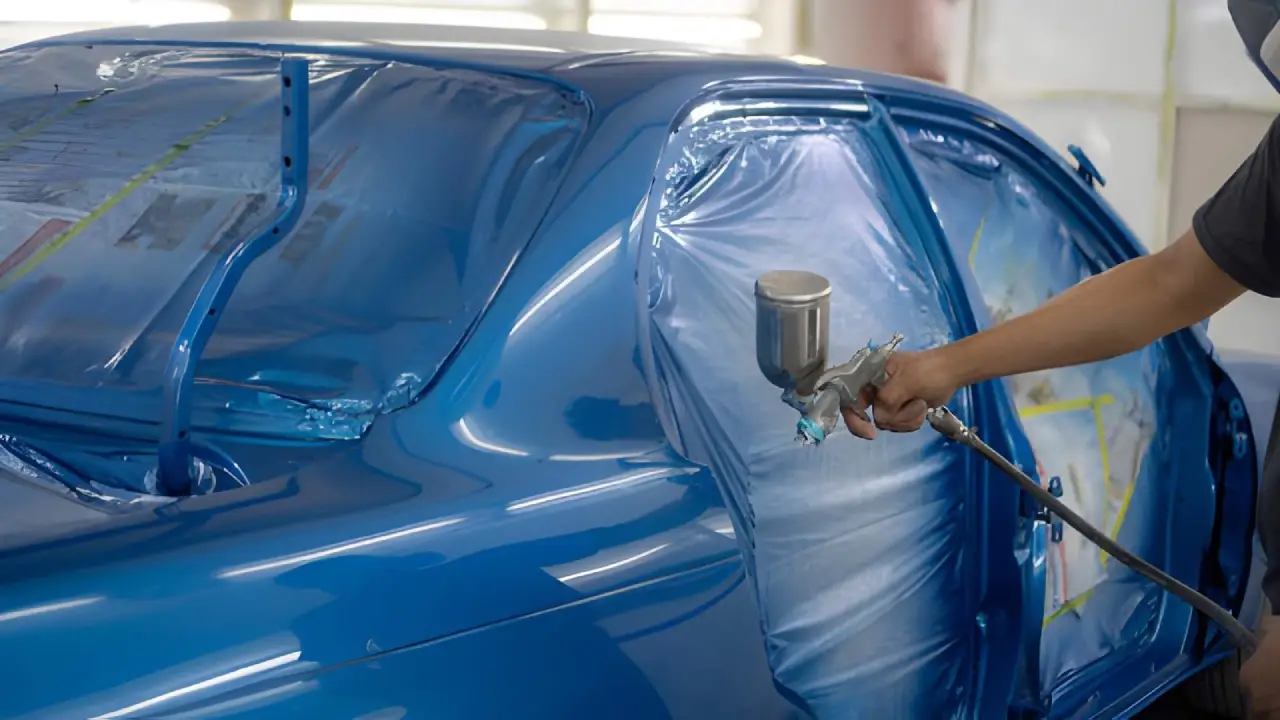
Where the etching has gone deep, or the lacquer has cracked or started to lift, polishing will not bring it back and can make the edges worse. The lasting fix is to sand the affected area back to a sound surface, then apply fresh colour and lacquer, blending into neighbouring panels so the repair does not stand out. Our guide to faded and peeling paint explains what that refinishing involves, and our paintwork and respray service is where the work is carried out.
Protecting paint afterwards
- Wash the car regularly so droppings and sap are spotted and removed early rather than baking on for days.
- Keep a bottle of water and a clean microfibre cloth in the car so you can soak and lift a fresh dropping when you find it.
- Avoid parking under trees that drip sap or where birds roost, such as beneath overhead cables, when you have the choice.
- A wax, sealant or other paint protection product adds a sacrificial layer that makes residue easier to remove, though it does not make the lacquer immune.
- After an etch has been polished out, the lacquer in that spot is thinner, so it is worth being extra careful with it in future.
Why marks sometimes come back
A common experience is that a mark seems to vanish after a wax or a polish, then reappears a few washes later. That usually means the product filled or hid the etch rather than levelling it. When the filler washes away, the outline shows again. If that keeps happening, the mark is in the lacquer itself and needs proper correction or refinishing.
When to get it looked at
If a mark is still visible after a careful wash, you can feel it with a fingertip, or you can see cracks in the lacquer, it is worth getting an opinion before trying aggressive products at home. A clear daylight photo is often enough for us to say whether it looks like a polishing job or a refinish. If you are weighing up the cost, our car paint repair cost guide sets out what affects the price, and our guide on whether scratches can be buffed out covers the same polishing limits for other marks.
Where to go next
Not sure if it will polish out?
Send a daylight photo of the mark on WhatsApp or call us, and we will tell you whether it looks like a polish or a refinish.
Questions people ask us
- How quickly can bird droppings damage car paint?
- It depends on the weather and the paint. In warm sunshine a mark can start to form much sooner than on a cold day, so the safest habit is to soak and lift droppings as soon as you notice them.
- Can etching from bird mess be polished out?
- Often, if the etch is shallow and the lacquer is otherwise healthy. If it has gone deep or the lacquer has cracked, the area needs refinishing instead.
- Does tree sap damage paint the same way?
- In a similar way. Sap is sticky and can harden on the surface, and if left in the sun it can mark the lacquer. Use a product made for removing sap from car paint rather than scraping it off.
- Will insurance cover bird dropping damage?
- That depends on your policy, so check its wording or ask your insurer. Many people find this kind of cosmetic damage is simpler to pay for privately, and we can give a free, no-obligation estimate to help you decide.
- Why has the mark come back after washing?
- The product used before probably filled or hid the etch rather than removing it. Once that wears off, the outline returns, which means the mark is in the lacquer and needs correcting or refinishing.
In short
- Soak and lift droppings and sap quickly; never scrub them dry.
- Staining can wash off, shallow etching may polish out.
- Deep etching or cracked lacquer needs the panel refinishing.
Related guides
Faded or peeling car paint
Faded or peeling car paint
Can car scratches be buffed out?
Can car scratches be buffed out?
Car paint repair cost
Car paint repair cost
Paint chip repair cost
Paint chip repair cost