How repairs work · 8 min read
SMART repair stands for Small to Medium Area Repair Technology, a localised repair method used to fix minor cosmetic damage such as scuffs, chips and small scratches without refinishing the whole panel.
To explain SMART repair terminology and its typical uses and costs for private car owners weighing up options for minor cosmetic damage.
What SMART actually stands for
SMART is short for Small to Medium Area Repair Technology. It describes a repair approach rather than a single technique, and it is built around the idea that many types of cosmetic damage only affect a small section of a panel, so only that section needs to be repaired rather than the entire door, wing or bumper.
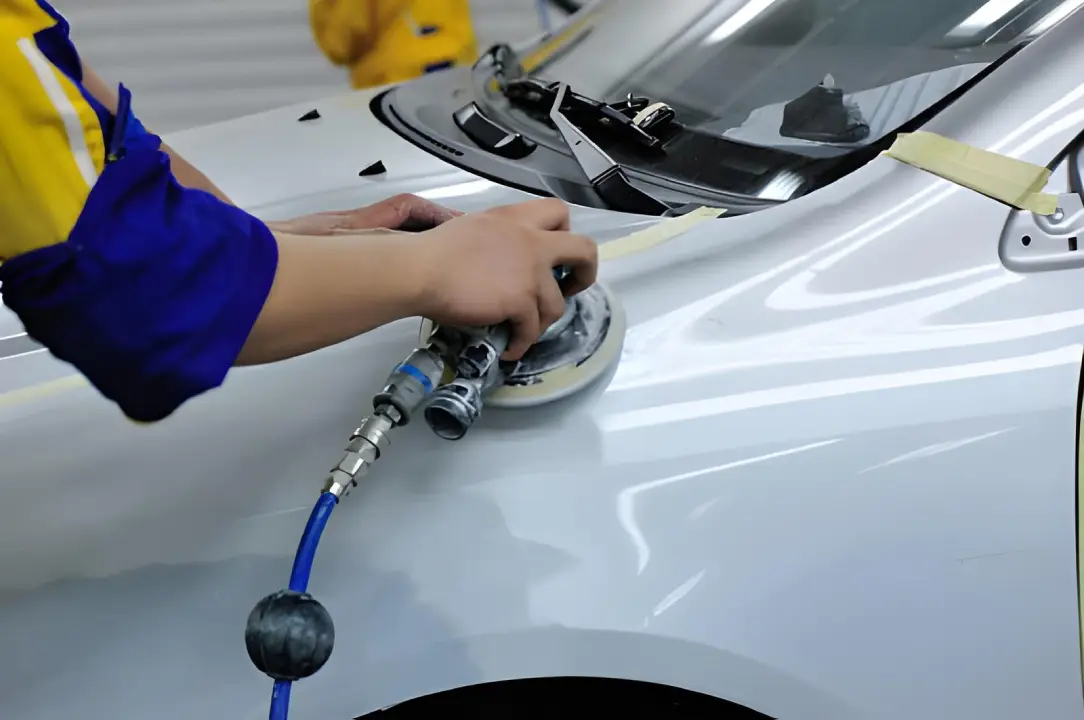
The term is widely used across the UK body repair trade, and it covers a range of jobs, from filling and blending a stone chip through to feathering out a small scratch or refinishing a kerbed alloy corner of a bumper. What ties them together is that the repair is localised, blended carefully into the surrounding original paint, and does not require stripping and refinishing the whole component.
How a localised repair is blended in
- 01The damaged area is cleaned, sanded and, where needed, filled and shaped.
- 02Primer is applied only to the repaired section, feathered out at the edges.
- 03Basecoat colour is sprayed in a fading pattern that gradually tails off into the existing paint.
- 04Lacquer is blended over a wider area than the colour coat so the transition is not visible.
- 05The repair is cut and polished to match the sheen of the surrounding original paint.
Typical jobs suited to SMART repair
- Bumper scuffs from light parking contact.
- Kerbed corners on a front or rear bumper.
- Small scratches confined to one area of a panel.
- Stone chips on a bonnet leading edge or front bumper.
- Scuffed or scratched wing mirror covers and door handles.
When a full panel refinish is the better option
SMART repair works well when the damage is contained and the surrounding paint is in good condition, giving the technician a clean area to blend into. Once damage spreads across most of a panel, sits across a body line, or the surrounding paint has faded or is already showing wear, a full panel respray gives a more even and durable result, because there is less risk of a visible transition line appearing later as the paint ages.
Deep scratches that have gone through to bare metal, damage close to a panel edge, or areas that have been repaired before can also push a job outside the sensible limits of a localised repair, and an honest assessment will say so rather than trying to force a small repair onto damage that needs more.
Indicative costs
| Type of damage | Typical indicative range |
|---|---|
| Stone chip or small scratch blend | £70 to £150 |
| Bumper corner scuff or kerb damage | £100 to £220 |
| Wing mirror cover refinish | £60 to £130 |
| Small scratch across a door panel | £120 to £250 |
Why it matters for resale and lease returns
Minor scuffs, chips and small scratches are exactly the kind of thing dealers mark down at trade-in and that lease companies charge for at the end of an agreement. Because SMART repair addresses these issues directly and at a lower cost than a full respray, it is often the most sensible way to deal with everyday cosmetic wear before a car is sold, part-exchanged or handed back.
A neatly blended repair on a bumper corner or door panel is very hard to notice once finished, and it removes the kind of damage that an inspector at a lease return would flag as chargeable, which usually makes the repair cost worthwhile against the alternative charge.
What to expect during the visit
Most SMART repair jobs are quick compared with a full respray, since only a small area is being worked on and there is less masking, preparation and drying time involved overall. The exact time on the day depends on how many areas need attention and how the paint needs to cure before the car can be handled.
We always look at the surrounding paint condition before quoting, because a good blend depends on the existing finish being sound. If we think the damage is better suited to a wider repair we will say so as part of the estimate.
Where to go next
Wondering if a SMART repair will sort your car out?
Send a photo of the damage and we will tell you honestly whether a localised repair will work, with a free no-obligation estimate.
Questions people ask us
- What does SMART stand for in car repair?
- SMART stands for Small to Medium Area Repair Technology, a method of fixing localised cosmetic damage without refinishing a whole panel.
- Can a SMART repair be seen once it is finished?
- A well-blended SMART repair should not be visible in normal light, as the paint is feathered gradually into the surrounding original finish.
- Is SMART repair suitable for deep scratches?
- Not always, deep scratches that reach bare metal or run across a large area of panel often need a fuller repair for a durable, even result.
- Does a SMART repair use the same paint as the rest of the car?
- Yes, the paint is colour matched to your vehicle's factory code and mixed specifically to blend with the surrounding panel.
SMART repair at a glance
- SMART repair fixes small, contained cosmetic damage without a full respray.
- It suits bumper scuffs, chips and small scratches on sound surrounding paint.
- Larger or deeper damage is usually better served by a full panel refinish.
- It is often the most cost-effective way to tidy a car before sale or lease return.