
Repair or replace · 9 min read
Filler is a legitimate and widely used repair material when it is applied thinly over correctly reshaped metal, but it is the wrong fix when used to hide rust, bridge a gap, or build up a badly dented panel that should have been worked back into shape first.
To reassure private car owners who are unsure whether filler is a legitimate repair method or a corner being cut, and to help them spot poor previous work.
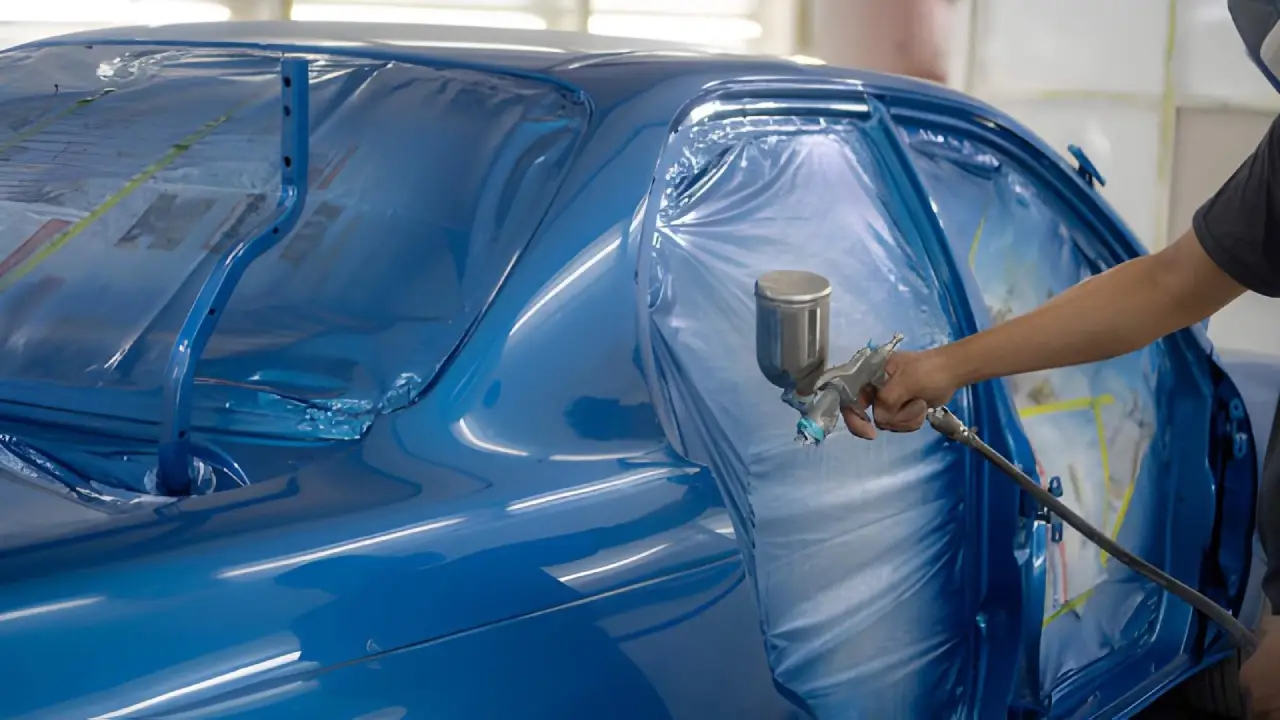
Filler is a normal part of bodywork repair
Body filler has an unfair reputation, largely because of examples where it has been used badly. Used correctly, it is a completely standard part of panel repair and features in almost every dent or scratch repair carried out at a reputable body shop. Its job is to fill very small imperfections left after the metal itself has been reshaped, not to do the reshaping for you.
The key word is thin. A correctly applied filler repair should be a fine skim, often less than a couple of millimetres, sitting over metal that has already been pulled or hammered back close to its original contour. Filler bridges the last small percentage of the repair, it should never be doing the bulk of the shaping work.
How a professional repair is built up
- 01The damaged metal is worked back as close to its original shape as possible using dollies, hammers or stud welding pulls
- 02The area is cleaned back to bare metal and any rust is fully removed
- 03A thin layer of filler is applied only where small low spots remain
- 04The filler is sanded back through progressively finer grades once cured
- 05A feather edge is created around the repair so there is no visible step under the paint
- 06High build primer is applied to seal the repair and further even out the surface before colour coats go on
How much filler is too much
There is no exact millimetre limit written into any UK standard, but as a rule of thumb, if filler is being used to build up a dent of any real depth rather than just smoothing the last stage of a repair, that is a sign the metal work was skipped. Thick filler is more likely to crack, sink, or show a ripple in the paint as it ages, especially in a panel that flexes such as a door or bonnet.
When filler should not be used at all
- Over rust, filler does not stop corrosion and will eventually crack or fall away as the rust continues underneath
- Over a badly stretched panel, filler cannot restore strength, and the repair will flex and crack over time
- As a substitute for structural repair on load bearing areas of the body
- On a panel where the damage is severe enough that a replacement panel is genuinely the sounder and often more cost effective option
- Directly over bare metal without proper cleaning and preparation, which leads to poor adhesion
Signs of a bad previous filler repair
| Sign | What it usually means |
|---|---|
| Slight ripple or wave in the panel under low light | Filler applied too thick over metal that was not reshaped first |
| Cracking along the edge of a repaired area | Filler applied over a flexing panel or with a poor feather edge |
| Bubbling paint or rust bleeding through | Filler applied over rust that was not fully removed |
| Colour or texture mismatch at the repair edge | Poor blending or a rushed respray over the repair |
| Magnet does not stick to a supposedly steel panel | Thick filler build up, worth further inspection |
Cost implications of doing it properly
A correctly executed filler repair, with proper metal work first, takes longer than a quick skim over an unworked dent, and that time is reflected in the price. It is usually still considerably cheaper than a full panel replacement, provided the underlying metal is sound enough to repair. As a rough guide, small filler based dent or scratch repairs on a single panel often sit in the lower hundreds of pounds, while larger areas needing more extensive metal work before filler is applied cost more.
These figures are indicative and vary by vehicle, paint type and the extent of damage, so the only way to know what your repair will cost is a free, no-obligation estimate, ideally from photos sent over WhatsApp in the first instance.
Filler versus new panel versus paintless dent removal
Filler repair sits between paintless dent removal and full panel replacement in terms of scope. Paintless dent removal is suited to shallow dents where the paint has not cracked and the metal has not been overstretched, it avoids filler and repainting altogether. Filler based repair is the right choice where the paint has been damaged or the dent is sharper, but the panel itself is basically sound. A new panel becomes the sensible option once the damage is severe, the panel is torn, or corrosion has taken hold, at which point filler would only be masking a problem rather than solving it.
Choosing between these options is something worth discussing with the body shop carrying out the work, since the right answer depends on the exact nature of the damage rather than a fixed rule.
What to ask before agreeing to a filler repair
- Ask whether the metal will be reshaped before any filler is applied
- Ask how thick the filler layer is expected to be for your specific damage
- Ask whether any rust has been found and how it will be dealt with
- Ask what primer and paint process will be used over the repair
- Ask for the estimate in writing so you know exactly what work is included
Where to go next
Wondering if filler is right for your dent
Send us a photo and we will tell you honestly whether filler, paintless repair or a panel replacement makes the most sense, with a free, no-obligation estimate.
Questions people ask us
- Is body filler a cheap or bad quality repair
- No, filler is a standard and legitimate repair material when applied thinly over correctly reshaped metal, it only becomes a problem when used to hide rust or replace proper metal work.
- How long does a filler repair last
- A correctly applied thin filler repair, sealed with high build primer and paint, should last as long as the surrounding paintwork, provided the panel underneath was sound.
- Can filler be used on a bumper
- Filler is generally not used on plastic bumpers, which use flexible fillers or plastic welding instead, since standard body filler does not flex in the same way as the bumper material.
- Will filler show up if I run a magnet over the panel
- A magnet will not stick where there is a thick layer of filler underneath, since filler is not magnetic, though this only reveals thickness, not whether the repair was done well.
- Is it cheaper to use filler than replace a panel
- Usually yes, provided the underlying panel is sound enough to repair, filler based repairs are typically cheaper than sourcing and fitting a new panel.
Filler repairs at a glance
- Filler is normal and legitimate when applied thinly over reshaped metal
- It should never replace proper metal work or hide rust
- Thick filler is more likely to crack or ripple over time
- A feather edge and high build primer are signs of a careful job
- Cost sits below panel replacement but above paintless repair